Belgium
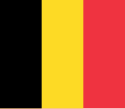
A conquered land over and over again.
_-_BEL_-_UNOCHA.svg/250px-Belgium_-_Location_Map_(2013)_-_BEL_-_UNOCHA.svg.png)
Wikipedia Information for:
History of Belgium
— Julius Caesar, De Bello Gallico, Book I, Ch. 1
The name 'Belgium' is derived from Gallia Belgica, a Roman province in the northernmost part of Gaul that before Roman invasion in 100 BC, was inhabited by the Belgae, a mix of Celtic and Germanic peoples.[18][19] A gradual immigration by Germanic Frankish tribes during the 5th century brought the area under the rule of the Merovingian kings. A gradual shift of power during the 8th century led the kingdom of the Franks to evolve into the Carolingian Empire.[20]
The Treaty of Verdun in 843 divided the region into Middle and West Francia and therefore into a set of more or less independent fiefdoms which, during the Middle Ages, were vassals either of the King of France or of the Holy Roman Emperor.[20]
Many of these fiefdoms were united in the Burgundian Netherlands of the 14th and 15th centuries.[21] Emperor Charles V extended the personal union of the Seventeen Provinces in the 1540s, making it far more than a personal union by the Pragmatic Sanction of 1549 and increased his influence over the Prince-Bishopric of Liège.[22]
The Eighty Years' War (1568–1648) divided the Low Countries into the northern United Provinces (Belgica Foederata in Latin, the "Federated Netherlands") and the Southern Netherlands (Belgica Regia, the "Royal Netherlands"). The latter were ruled successively by the Spanish (Spanish Netherlands) and the Austrian Habsburgs (Austrian Netherlands) and comprised most of modern Belgium. This was the theatre of most Franco-Spanish and Franco-Austrian wars during the 17th and 18th centuries.
Following the campaigns of 1794 in the French Revolutionary Wars, the Low Countries—including territories that were never nominally under Habsburg rule, such as the Prince-Bishopric of Liège—were annexed by the French First Republic, ending Austrian rule in the region. The reunification of the Low Countries as the United Kingdom of the Netherlands occurred at the dissolution of the First French Empire in 1815, after the defeat of Napoleon.
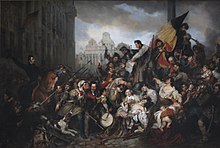 In 1830, the Belgian Revolution
led to the separation of the Southern Provinces from the Netherlands
and to the establishment of a Catholic and bourgeois, officially
French-speaking and neutral, independent Belgium under a provisional government and a national congress.[23][24] Since the installation of Leopold I as king on 21 July 1831, now celebrated as Belgium's National Day, Belgium has been a constitutional monarchy and parliamentary democracy, with a laicist constitution based on the Napoleonic code.[25] Although the franchise was initially restricted, universal suffrage for men was introduced after the general strike of 1893 (with plural voting until 1919) and for women in 1949.
In 1830, the Belgian Revolution
led to the separation of the Southern Provinces from the Netherlands
and to the establishment of a Catholic and bourgeois, officially
French-speaking and neutral, independent Belgium under a provisional government and a national congress.[23][24] Since the installation of Leopold I as king on 21 July 1831, now celebrated as Belgium's National Day, Belgium has been a constitutional monarchy and parliamentary democracy, with a laicist constitution based on the Napoleonic code.[25] Although the franchise was initially restricted, universal suffrage for men was introduced after the general strike of 1893 (with plural voting until 1919) and for women in 1949.
The main political parties of the 19th century were the Catholic Party and the Liberal Party, with the Belgian Labour Party emerging towards the end of the 19th century. French was originally the single official language adopted by the nobility and the bourgeoisie. It progressively lost its overall importance as Dutch became recognized as well. This recognition became official in 1898 and in 1967 the parliament accepted a Dutch version of the Constitution.[26]
The Berlin Conference of 1885 ceded control of the Congo Free State to King Leopold II as his private possession. From around 1900 there was growing international concern for the extreme and savage treatment of the Congolese population (millions of whom are thought to have died) under Leopold II, for whom the Congo was primarily a source of revenue from ivory and rubber production.[27] Many Congolese were killed by Leopold's agents for failing to meet production quotas for ivory and rubber.[28] It is estimated that nearly 10 million were killed during the Leopold period. In 1908 this outcry led the Belgian state to assume responsibility for the government of the colony, henceforth called the Belgian Congo.[29] A Belgian commission in 1919 estimated that Congo's population was half what it was in 1879. [30]
Germany invaded Belgium in August 1914 as part of the Schlieffen Plan to attack France and much of the Western Front fighting of World War I occurred in western parts of the country. The opening months of the war were known as the Rape of Belgium due to German excesses. Belgium assumed control of the German colonies of Ruanda-Urundi (modern-day Rwanda and Burundi) during the war, and in 1924 the League of Nations mandated them to Belgium. In the aftermath of the First World War, the Prussian districts of Eupen and Malmedy were annexed by Belgium in 1925, thereby causing the presence of a German-speaking minority.
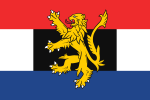
German forces again invaded the country in May 1940 and 40,690 Belgians, over half of them Jews, were killed during the subsequent occupation and The Holocaust. From September 1944 to February 1945 Belgium was liberated by the Allies. After World War II, a general strike forced King Leopold III, who many Belgians felt had collaborated with Germany during the war, to abdicate in 1951.[31] The Belgian Congo gained independence in 1960 during the Congo Crisis;[32] Ruanda-Urundi followed with its independence two years later. Belgium joined NATO as a founding member and formed the Benelux group of nations with the Netherlands and Luxembourg.
Belgium became one of the six founding members of the European Coal and Steel Community in 1951 and of the European Atomic Energy Community and European Economic Community, established in 1957. The latter has now become the European Union, for which Belgium hosts major administrations and institutions, including the European Commission, the Council of the European Union and the extraordinary and committee sessions of the European Parliament.
A conquered land over and over again.
Wikipedia Information for:
History of Belgium
Gaul is divided into three parts, one of which the Belgae inhabit,
the Aquitani another, those who in their own language are called Celts,
in ours Gauls, the third.
...Of all these, the Belgae are the strongest.
...Of all these, the Belgae are the strongest.
“
”
The Treaty of Verdun in 843 divided the region into Middle and West Francia and therefore into a set of more or less independent fiefdoms which, during the Middle Ages, were vassals either of the King of France or of the Holy Roman Emperor.[20]
Many of these fiefdoms were united in the Burgundian Netherlands of the 14th and 15th centuries.[21] Emperor Charles V extended the personal union of the Seventeen Provinces in the 1540s, making it far more than a personal union by the Pragmatic Sanction of 1549 and increased his influence over the Prince-Bishopric of Liège.[22]
The Eighty Years' War (1568–1648) divided the Low Countries into the northern United Provinces (Belgica Foederata in Latin, the "Federated Netherlands") and the Southern Netherlands (Belgica Regia, the "Royal Netherlands"). The latter were ruled successively by the Spanish (Spanish Netherlands) and the Austrian Habsburgs (Austrian Netherlands) and comprised most of modern Belgium. This was the theatre of most Franco-Spanish and Franco-Austrian wars during the 17th and 18th centuries.
Following the campaigns of 1794 in the French Revolutionary Wars, the Low Countries—including territories that were never nominally under Habsburg rule, such as the Prince-Bishopric of Liège—were annexed by the French First Republic, ending Austrian rule in the region. The reunification of the Low Countries as the United Kingdom of the Netherlands occurred at the dissolution of the First French Empire in 1815, after the defeat of Napoleon.

Episode of the Belgian Revolution of 1830 (1834), by Egide Charles Gustave Wappers
The main political parties of the 19th century were the Catholic Party and the Liberal Party, with the Belgian Labour Party emerging towards the end of the 19th century. French was originally the single official language adopted by the nobility and the bourgeoisie. It progressively lost its overall importance as Dutch became recognized as well. This recognition became official in 1898 and in 1967 the parliament accepted a Dutch version of the Constitution.[26]
The Berlin Conference of 1885 ceded control of the Congo Free State to King Leopold II as his private possession. From around 1900 there was growing international concern for the extreme and savage treatment of the Congolese population (millions of whom are thought to have died) under Leopold II, for whom the Congo was primarily a source of revenue from ivory and rubber production.[27] Many Congolese were killed by Leopold's agents for failing to meet production quotas for ivory and rubber.[28] It is estimated that nearly 10 million were killed during the Leopold period. In 1908 this outcry led the Belgian state to assume responsibility for the government of the colony, henceforth called the Belgian Congo.[29] A Belgian commission in 1919 estimated that Congo's population was half what it was in 1879. [30]
Germany invaded Belgium in August 1914 as part of the Schlieffen Plan to attack France and much of the Western Front fighting of World War I occurred in western parts of the country. The opening months of the war were known as the Rape of Belgium due to German excesses. Belgium assumed control of the German colonies of Ruanda-Urundi (modern-day Rwanda and Burundi) during the war, and in 1924 the League of Nations mandated them to Belgium. In the aftermath of the First World War, the Prussian districts of Eupen and Malmedy were annexed by Belgium in 1925, thereby causing the presence of a German-speaking minority.
German forces again invaded the country in May 1940 and 40,690 Belgians, over half of them Jews, were killed during the subsequent occupation and The Holocaust. From September 1944 to February 1945 Belgium was liberated by the Allies. After World War II, a general strike forced King Leopold III, who many Belgians felt had collaborated with Germany during the war, to abdicate in 1951.[31] The Belgian Congo gained independence in 1960 during the Congo Crisis;[32] Ruanda-Urundi followed with its independence two years later. Belgium joined NATO as a founding member and formed the Benelux group of nations with the Netherlands and Luxembourg.
Belgium became one of the six founding members of the European Coal and Steel Community in 1951 and of the European Atomic Energy Community and European Economic Community, established in 1957. The latter has now become the European Union, for which Belgium hosts major administrations and institutions, including the European Commission, the Council of the European Union and the extraordinary and committee sessions of the European Parliament.